
An older version, from 2026-10-22 04:36 UTC by Neo. The current page
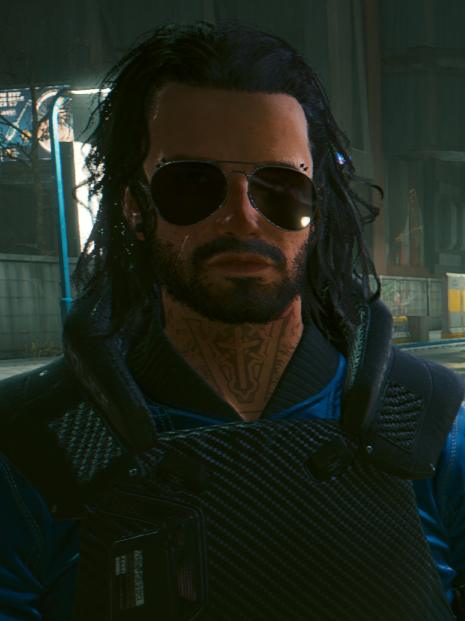
The Night City Police Department (NCPD) is the primary law enforcement agency of Night City.
History
2070 - 2076
After the Unification War ended in 2070, the Government of Night City and a number of corporations tried to restart the resort project at the Pacifica district to the south of the city. However, the established local community fought back to keep them out from what they considered their new home. Both BARGHEST and the Voodoo Boys led the efforts to keep the authorities out, each controlling a small area of the ruined district. Further attempts by the NCPD to kick them out were met with full scale riots that lasted for weeks. Fearing that clearing the area would end in a bloodbath, then-chief of police Ramos ordered the forces to withdraw from the most hostile areas. In 2072, an NCPD task force was expelled from Pacifica by local groups organized by the Voodoo Boys, with the gang soon becoming the de-facto authority in the western area of the district. Soon after, on October 17 of that same year, the precinct at Coastview was officially disbanded by Deputy Commissioner Claudia Feldman — with the full support of Mayor Lucius Rhyne. This resulted in the district being recognized as a combat zone, as it was easier to contain it than solving the problem.
In 2076, Mayor Rhyne planned to cut costs, and labeled the NCPD as not "profitable" enough. With a proposition to privatize the force, the PD was soon after transferred to private ownership. The former chief of police was replaced by a dataterm sales executive known as Jerry Fawlter, who prioritized money above everything else. He fired half of the officers, reduced patrols, and ordered beat cops to prioritize writing tickets instead of stopping or solving crimes. The reorganization also involved a drones-for-cops replacement program, charging citizens 5€$ per minute to make 911 calls, and strengthening partnerships with privatized prisons. All these changes only worsened Night City's crime rate, while at the same time the private security services exponentially increased. By the end of the year, the NCPD was no closer to becoming profitable and getting its debt under control.
2077
By 2077, apart from Pacifica, the NCPD rarely travelled to the Northside Industrial District of Watson due to the overwhelming level of violence and criminal activity there. Most of the city suburbs were also poorly secured, as the PD was spread too thin to maintain overwatch, instead leaving security to local groups such as 6th Street or corporate cops. The Badlands were not patrolled at all, as this region was outside of the city limits, instead leaving its safety to private contractors which were allowed to shoot to kill anyone involved in suspicious activities. The safest neighborhoods in NC were at City Center and Westbrook, while Heywood, and the remainder of Santo Domingo and Watson ranged from moderately to dangerous. The PD maintained a threat level system to keep Night Citizens informed about the unsafe districts.
Around early-mid 2077, when the NCPD's capitalization dropped 17% from its levels in January, the Mayor's Office began considering an alternative solution to what was termed the "police problem": hiring firms from the corporate security industry to police Night City instead. With the appointment of Commissioner Fawlter, the Police Department had remained outumbered and occasionally outgunned. Most cops had lost faith in their thankless job, and an atmosphere of apathy and corruption pervaded the whole department. Police officers also had to "play by the rules" (most of the time), so their mortality rate was relatively high. Due frustration born out of powerlessness and overextension, it wasn't uncommon to see a number of officers reacting with brutality and aggression, or even corruption. This in turn resulted in a negative public opinion. Nevertheless, a few cops still wholeheartedly believed in defending the ordinary citizen and making sure the concrete jungle didn't fall into complete chaos, as for them a gun was still a tool to protect and serve. However, for every one that believed their badge meant something, chances were their partner or boss were unethical, instead favoring the megacorps whom hold the real power in Night City. Any crimes related to corporations and their shady businesses were removed from police jurisdiction sooner or later, leaving cops to deal with petty crimes, gruesome murders, riot control, or gang activity.
Even if underfunded and understaffed, the PD of 2077 still had the resources of a small army, with armored vehicles, AVs, and all types of weaponry at their disposal. Any willing officers were a danger for most gangoons, who were either arrested, or executed if they refused. Plus, MaxTac — the NCPD militarized force — was still one of the most dangerous organizations in Night City, with their funding remaining a priority due to their visibility and reputation gaining points for public relations. However, the cyberpsycho-specialized police was perfectly fine with collateral damage as long as they accomplished their objective. A major sponsor of the NCPD around this time was Night Corp, though other important corporations like Militech or Arasaka also put their interests in the Police Department expecting something in return. On the other hand, whenever police officers had difficulties with their job due to a corp, politician or gang, oftentimes they recruited mercenaries to help in their investigations, especially when it was outside of their jurisdiction. To increase its effectiveness and reduce the mortality rate of officers, over the years the department petitioned the Night City Council to enact policies that grant it more legal authority and protections. As of 2077, NCPD officers had several extreme procedural abilities, including: officers may detain individuals without bringing charges against them for up to one year; shooting an individual in a limb is regarded as a warning shot, not a usage of lethal force; vehicles that do not immediately pull over when flagged for a traffic stop may be fired upon; and collateral damage, including civilian deaths, is (unofficially) permissible when using lethal force to neutralize a cyberpsycho.
2080
In the three years since the assault on Arasaka Tower, the NCPD has operated under a patchwork of municipal policing agreements and corporate sponsorship. Militech expanded its procurement contracts with the department, Night Corp remained a major institutional backer, and the Fawlter-era privatization left the force understaffed, distrusted, and reliant on outside contractors. When Justice administration was consolidated under city government, the NCPD lost much of its old independence, and its reach now varies sharply from district to district.
In late 2079, an internal investigation exposed deep corruption in the department’s command staff. Senior officers were found to have sold patrol schedules, buried evidence, and passed sealed case files to corporate clients. The resulting resignations and arrests gutted the department’s leadership, and the Mayor’s Office again raised the idea of replacing the NCPD with contracted corporate security.
The City Council chose a different route. In early 2080, it appointed Mateo Valdivia, a former solo who had spent years passing intelligence to honest officers and later served the department as a tactical consultant, as Commissioner of Police. The council presented him as the compromise candidate: no corporate sponsor, no gang ties, and no stake in the old command structure. His appointment was controversial. Many officers resented a mercenary being placed over them, several corporations lobbied openly against him, and a smaller group of officers who had stayed honest through the Fawlter years welcomed the change.
Last edited 2026-10-22 04:36 UTC by Neo · read 22 times.